
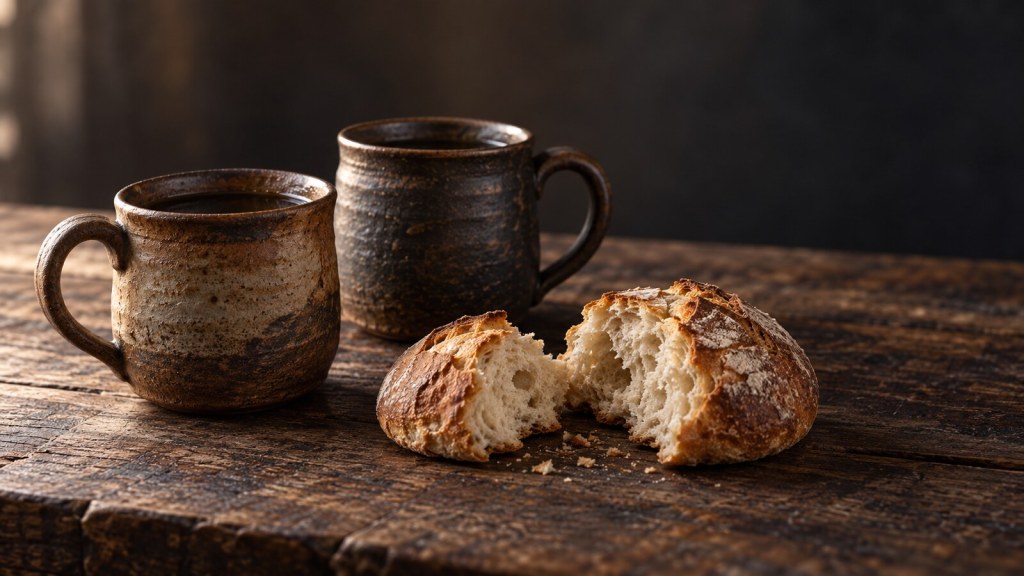
A quarrel at an inn, a shared meal, a joke that lands badly. These may seem like small things in a story where kingdoms fall and wars reshape the world. Yet by the time a character steps into battle, those ordinary moments have helped shape the person holding the sword.
That is one of the things I enjoy most about writing fantasy: discovering how much can happen when nobody’s life is in immediate danger.
The choices that add up
Everyday situations give characters room to develop. Someone admits a mistake, lets an insult pass, or notices that a companion has gone quiet. They learn whom to trust and discover how their behavior affects other people. Each experience leaves something behind.
Over time, those moments accumulate. A relationship deepens, resentment grows, or someone becomes a little more willing to ask for help. When a crisis arrives, the character brings all of that into it.
Where the limits appear
Battle is an extreme situation. It compresses choices, raises the stakes, and gives a character very little time to decide.
How far does their loyalty reach when protecting one person means endangering another? What happens to their patience when they are exhausted and afraid? Can they find courage they have never needed before?
The answers can reveal cruelty, selfishness, or a breaking point. They can also reveal unexpected generosity or strength. The smaller moments have brought the character this far; now we discover what happens at the edge of what they know about themselves.
How I find my way there
I have built my main character in my upcoming novel this way, often without consciously planning it. While writing an ordinary exchange, I follow what feels natural for him. Later, I recognize how those small decisions have prepared him for a much harder one.
And afterward, the ordinary moments continue. People still need to eat, talk, and travel together, carrying whatever happened in the crisis back into their relationships.
The next time they sit around a table, something as simple as who speaks first may show us how much has changed.


Leave a Reply